Shoulder pain can significantly affect your ability to perform everyday activities, from reaching overhead and lifting objects to dressing, driving, and even sleeping comfortably. When shoulder damage becomes severe, simple movements can become painful and frustrating, impacting both personal and professional life. While many shoulder conditions can be managed through medication, physiotherapy, and minimally invasive treatments, some patients may eventually require surgical intervention to regain comfort and mobility.
For individuals suffering from advanced shoulder arthritis, severe joint damage, or complex fractures, Shoulder replacement surgery in Lucknow offers an effective solution for restoring joint function and reducing chronic pain. Modern orthopedic techniques and advanced implant designs have transformed shoulder replacement surgery into a highly successful procedure that helps patients regain confidence in their daily movements.
Seeking timely treatment from an experienced orthopedic specialist is essential for achieving optimal outcomes. A comprehensive evaluation can help determine whether shoulder replacement is the most suitable option for your condition and long-term health goals.
Understanding Shoulder Replacement Surgery
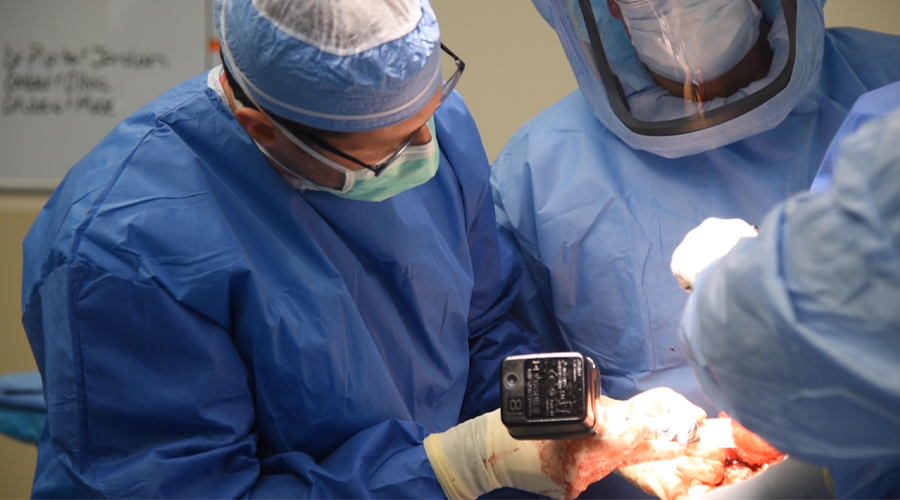
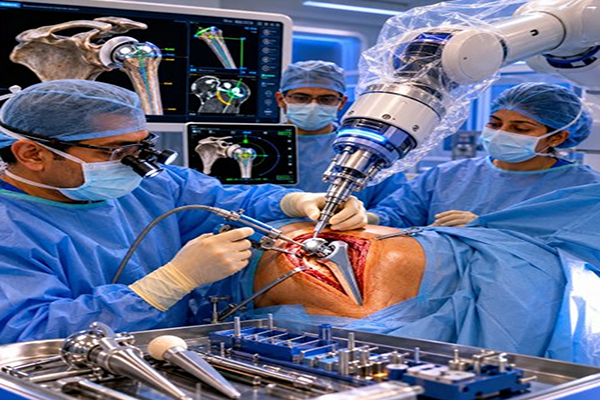
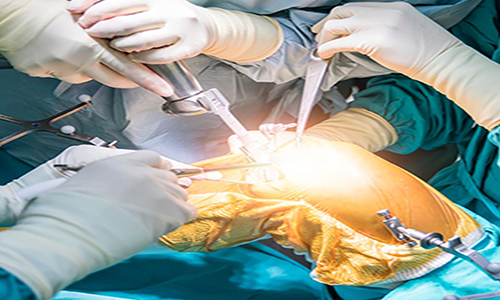
Shoulder replacement surgery is an advanced orthopedic procedure that involves replacing damaged portions of the shoulder joint with specially designed artificial components. The procedure is commonly recommended when the natural joint has been severely affected by arthritis, injury, or degeneration and conservative treatments are no longer providing adequate relief.
In traditional hip replacement surgeries, orthopaedic surgeons in Lucknow often need to cut through significant muscles and tendons to reach the joint. This results in longer recovery times, more post-operative pain, and a higher risk of dislocation. The direct anterior hip replacement technique preserves these vital tissues, offering patients a dramatically different recovery experience in a very short time period.
The primary objective of shoulder replacement surgery is to relieve pain, restore function, and improve overall quality of life. Many patients experience substantial improvements in their ability to perform daily activities after successful treatment and rehabilitation.
Conditions That May Require Shoulder Replacement
Several orthopedic conditions can lead to severe shoulder joint damage. Osteoarthritis is one of the most common causes, particularly among older adults. Rheumatoid arthritis, which causes chronic inflammation within the joints, may also contribute to progressive shoulder deterioration.
Other conditions that may require shoulder replacement include post-traumatic arthritis, complex shoulder fractures, avascular necrosis, rotator cuff arthropathy, and failed previous shoulder surgeries. Identifying the underlying cause of symptoms is an important step in determining the most effective treatment approach.
When Is Shoulder Replacement Recommended?
Not all shoulder problems require surgery. Many patients respond well to non-surgical treatments such as physiotherapy, activity modifications, medications, and injections. However, when pain becomes persistent and significantly interferes with daily life, surgical intervention may be considered.
Patients often seek orthopedic consultation after experiencing years of discomfort and gradually worsening mobility. In many cases, delayed treatment can result in further joint deterioration, making recovery more challenging. Early assessment by an orthopedic specialist allows for timely diagnosis and personalized treatment planning.
Common Signs That May Indicate the Need for Shoulder Replacement
Persistent shoulder pain despite treatment
Difficulty lifting or reaching overhead
Shoulder stiffness and reduced mobility
Pain that interferes with sleep
Weakness in the affected arm
Grinding or clicking sensations during movement
These symptoms may indicate advanced joint damage and should be evaluated by an orthopedic specialist.
Types of Shoulder Replacement Procedures
Modern orthopedic surgery offers several types of shoulder replacement procedures depending on the patient’s condition and the extent of joint damage. Selecting the appropriate procedure requires careful assessment of joint structures, bone quality, and muscle function.
Total shoulder replacement is commonly recommended for patients with advanced arthritis affecting both sides of the shoulder joint. This procedure replaces both the ball and socket portions of the joint, helping restore smooth movement and reduce pain.
In some cases, partial shoulder replacement may be appropriate when only one part of the joint has been damaged. Reverse shoulder replacement is another specialized procedure often recommended for patients with severe rotator cuff damage and shoulder instability. Each surgical approach is tailored to the patient’s unique orthopedic needs.
Choosing the Right Procedure
The most suitable procedure depends on several factors, including the severity of arthritis, the condition of surrounding muscles and tendons, overall health, and functional goals. A personalized evaluation helps determine the treatment option most likely to provide long-term success.
Advanced Evaluation Before Shoulder Replacement
Successful shoulder replacement begins with a comprehensive diagnostic process. A detailed evaluation helps identify the underlying cause of symptoms and ensures accurate treatment planning.
The assessment typically includes a review of the patient’s medical history, discussion of symptoms, physical examination, and diagnostic imaging. X-rays are often used to evaluate joint damage, while MRI or CT scans may be recommended for more detailed visualization of bone and soft tissue structures.
This thorough approach allows the orthopedic specialist to assess joint alignment, cartilage loss, rotator cuff integrity, and overall shoulder function. Personalized treatment planning helps optimize surgical precision and improve recovery outcomes.
Benefits of Shoulder Replacement Surgery
For patients living with chronic shoulder pain, shoulder replacement can provide significant improvements in both comfort and functionality. The procedure is designed to restore smoother joint movement while reducing pain caused by damaged cartilage and bone surfaces.
Many patients experience greater independence and improved participation in daily activities following surgery. Simple tasks that were previously painful or difficult often become much easier as shoulder function improves.
In addition to reducing pain, shoulder replacement can enhance joint stability, improve range of motion, and support long-term mobility. These benefits can contribute significantly to overall quality of life and patient satisfaction.
Recovery After Shoulder Replacement Surgery
Recovery is an essential component of successful treatment. While surgery addresses the structural damage within the shoulder joint, rehabilitation plays a critical role in restoring strength, flexibility, and function.
During the initial recovery period, patients focus on healing, pain management, and protecting the surgical site. A structured physiotherapy program is introduced gradually to help improve shoulder movement and rebuild muscle strength.
During the initial recovery period, patients focus on healing, pain management, and protecting the surgical site. A structured physiotherapy program is introduced gradually to help improve shoulder movement and rebuild muscle strength.
Key Factors That Support Recovery
Following rehabilitation instructions carefully
Attending scheduled follow-up appointments
Performing prescribed exercises regularly
Avoiding activities that place excessive stress on the shoulder
Maintaining overall physical health during recovery
A dedicated rehabilitation plan helps maximize the benefits of surgery and supports long-term shoulder function.
Why Choose Expert Care for Shoulder Replacement in Lucknow?
Shoulder replacement surgery requires specialized orthopedic expertise, advanced surgical planning, and a comprehensive understanding of joint mechanics. Choosing an experienced orthopedic specialist helps ensure accurate diagnosis, individualized treatment recommendations, and effective rehabilitation support.
Modern orthopedic care focuses on evidence-based treatment protocols, advanced surgical techniques, and patient-centered decision-making. Every stage of treatment, from consultation and diagnosis to surgery and recovery, is designed to help patients achieve meaningful improvements in comfort and mobility.
With a personalized approach to orthopedic care, patients can feel confident that their treatment plan is aligned with their unique health needs and long-term goals.
Related Orthopedic Services
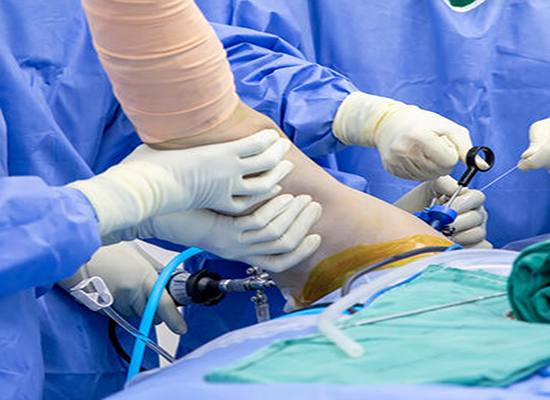
Patients considering shoulder replacement may also benefit from related orthopedic treatments depending on their condition. These services may include Shoulder Pain Treatment, Arthroscopy Surgery, Sports Injury Management, Rotator Cuff Repair, Joint Replacement Surgery, Fracture Care, Physiotherapy and Rehabilitation, Arthritis Management, and Orthopedic Consultation Services.
A comprehensive orthopedic treatment pathway helps address both current symptoms and long-term joint health, supporting improved mobility and overall well-being.
Frequently Asked Questions About Direct Anterior Hip Replacement
The duration varies depending on the complexity of the procedure, but most shoulder replacement surgeries are completed within a few hours.
Modern shoulder implants are designed for long-term performance, although implant lifespan may vary based on individual factors and activity levels.
Recovery timelines differ among patients, but most individuals gradually return to routine activities as healing progresses and rehabilitation milestones are achieved.
Yes. Physiotherapy is a crucial part of recovery and helps restore strength, flexibility, and functional movement.
Patients experiencing severe shoulder pain, advanced arthritis, significant joint damage, or reduced function that has not improved with conservative treatment may be candidates for shoulder replacement surgery.
Do not let joint pain, arthritis, sports injuries, or trauma hold you back any longer! Whether you need a minimally invasive knee replacement, direct anterior hip replacement, shoulder replacement or elbow replacement Dr. Abhishek Pandey is always available to assist and help.